July 22, 2026

DeFi Development Company: Building Secure Decentralized Finance Platforms

Home  >  Blockchain  >  DeFi Development Company: Building Secure Decentralized Finance Platforms
By Tilak Masrani: Blockchain Architect
Secure DeFi Platform with DeFi Development Company

Blog Summary

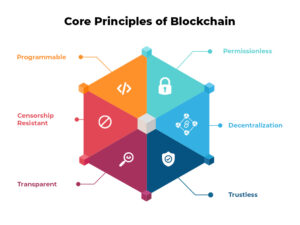
Decentralized Finance (DeFi) is transforming the global financial ecosystem by enabling secure, transparent, and permissionless financial services without traditional intermediaries.

From decentralized exchanges and lending platforms to staking protocols and yield farming applications, businesses are increasingly investing in DeFi solutions to unlock new revenue opportunities and improve financial accessibility.

Partnering with an experienced DeFi development company ensures secure smart contract development, scalable blockchain architecture, regulatory-aware implementation, and seamless user experiences.

This guide explores DeFi platform development, key features, development processes, enterprise use cases, and how to choose the right technology partner.

Why Businesses Are Investing in DeFi Development

Decentralized Finance (DeFi) is reshaping the financial services industry by replacing traditional intermediaries with blockchain-powered applications that offer secure, transparent, and permissionless financial transactions. From lending and borrowing to decentralized exchanges (DEXs) and staking protocols, DeFi platforms are creating new opportunities for businesses to innovate, improve operational efficiency, and expand into the growing Web3 economy.

As blockchain adoption accelerates, enterprises, fintech companies, startups, and financial institutions are increasingly investing in DeFi solutions to offer faster, more accessible, and globally available financial services. Unlike conventional financial systems that rely on centralized authorities, DeFi applications leverage smart contracts to automate transactions, reduce costs, and enhance trust through transparent execution.

However, building a secure DeFi platform requires more than blockchain expertise. Businesses must address challenges such as smart contract vulnerabilities, liquidity management, multi-chain interoperability, regulatory considerations, and user security. A single flaw in a smart contract can expose digital assets to significant risks, making security-first development essential.

Partnering with an experienced DeFi development company provides businesses with access to blockchain architects, smart contract developers, and Web3 specialists who can design scalable decentralized finance solutions tailored to specific business objectives.

Business Benefits of DeFi Platform Development

Decentralized Finance enables businesses to create financial ecosystems that are more transparent, efficient, and accessible than traditional financial infrastructures. Whether launching a decentralized exchange, lending platform, or tokenized asset marketplace, DeFi solutions provide organizations with new opportunities to automate financial operations and expand into global digital economies.

Financial Automation

Smart contracts automate financial transactions without requiring manual approvals or third-party intermediaries.

Businesses can automate:

  • Lending and borrowing
  • Interest distribution
  • Token swaps
  • Staking rewards
  • Liquidity management
  • Revenue sharing

Automation improves operational efficiency while reducing administrative overhead.

Transparent and Trustless Transactions

Every transaction executed on a blockchain is recorded on an immutable ledger, providing full transparency to users and stakeholders.

Key advantages include:

  • Public transaction verification
  • Tamper-resistant records
  • Reduced fraud risks
  • Improved stakeholder trust
  • Automated execution
  • Transparent governance

This trustless model eliminates reliance on centralized institutions while improving accountability.

Lower Operational Costs

Traditional financial systems involve multiple intermediaries, resulting in processing fees and administrative expenses.

DeFi platforms reduce costs by:

  • Eliminating intermediaries
  • Automating settlement processes
  • Reducing paperwork
  • Lowering infrastructure costs
  • Streamlining financial workflows

Organizations can improve profitability while delivering more efficient financial services.

Global Accessibility

Unlike conventional financial institutions with geographical restrictions, DeFi applications operate on public blockchain networks accessible worldwide.

Businesses can:

  • Reach international users
  • Enable borderless transactions
  • Support global digital assets
  • Expand into emerging markets
  • Improve financial inclusion

This creates opportunities to serve customers regardless of their location.

Enhanced Security Through Smart Contracts

Smart contracts automatically enforce predefined rules while minimizing the potential for manual errors or manipulation.

Professional DeFi smart contract development focuses on:

  • Secure coding practices
  • Automated execution
  • Permission management
  • Audit-ready architecture
  • Vulnerability mitigation

When combined with comprehensive security audits, smart contracts provide a strong foundation for decentralized financial applications.

Scalable Blockchain Infrastructure

Modern DeFi applications must support increasing user adoption and transaction volumes.

Scalable infrastructure enables:

  • High transaction throughput
  • Multi-chain deployment
  • Layer 2 integrations
  • Future feature expansion
  • Enterprise-grade performance

A well-designed blockchain architecture ensures DeFi platforms remain efficient as business requirements evolve.

Types of DeFi Platforms Businesses Can Build

The DeFi ecosystem has evolved far beyond cryptocurrency trading. Today, businesses can develop a wide range of decentralized financial applications that automate financial services, improve liquidity, and create innovative digital asset ecosystems.

Decentralized Exchanges (DEXs)

Decentralized exchanges enable users to trade digital assets directly through smart contracts without relying on centralized intermediaries.

DEX platforms commonly include:

  • Token swapping
  • Automated Market Makers (AMMs)
  • Liquidity pools
  • Cross-token trading
  • Permissionless transactions

These platforms improve transparency while giving users greater control over their digital assets.

DeFi Lending and Borrowing Platforms

Blockchain-powered lending platforms allow users to borrow and lend digital assets using smart contracts.

Core capabilities include:

  • Collateralized lending
  • Automated loan issuance
  • Interest calculation
  • Liquidation management
  • Asset management

These solutions increase capital efficiency while reducing dependence on traditional financial institutions.

Staking and Yield Farming Platforms

Staking and yield farming applications allow users to earn rewards by locking digital assets into blockchain protocols.

Businesses can build platforms supporting:

  • Token staking
  • Reward distribution
  • Liquidity mining
  • Governance participation
  • Incentive mechanisms

These models encourage long-term user engagement while strengthening ecosystem participation.

DeFi Wallet Applications

Secure wallet applications provide users with complete ownership of their digital assets while enabling seamless interaction with decentralized applications.

Key wallet features include:

  • Multi-asset management
  • Secure authentication
  • dApp connectivity
  • Token transfers
  • Transaction history

Wallet integration is essential for delivering a user-friendly DeFi experience.

Asset Tokenization Platforms

Businesses increasingly tokenize real-world assets to improve liquidity and investment accessibility.

Popular tokenization use cases include:

  • Real estate
  • Commodities
  • Investment funds
  • Intellectual property
  • Business assets

Asset tokenization expands investment opportunities while simplifying ownership transfers.

Cross-Chain DeFi Solutions

Modern DeFi ecosystems often operate across multiple blockchain networks.

Cross-chain platforms enable:

  • Asset interoperability
  • Multi-chain liquidity
  • Cross-network transactions
  • Broader ecosystem participation
  • Improved scalability

These capabilities help businesses serve users across diverse blockchain ecosystems while reducing network limitations.

DeFi Development Process

Building a secure decentralized finance platform requires careful planning, blockchain expertise, smart contract security, and continuous testing. A structured DeFi development process helps ensure scalability, regulatory awareness, and reliable platform performance throughout the product lifecycle.

Business Discovery and Requirement Analysis

Every successful DeFi project begins by understanding business objectives, target users, and technical requirements.

This phase includes:

  • Business requirement gathering
  • Market research
  • Competitor analysis
  • Feature prioritization
  • Risk assessment
  • Technical feasibility evaluation

A strong discovery process establishes the foundation for successful platform development.

Blockchain Platform Selection

Choosing the appropriate blockchain network significantly impacts scalability, transaction costs, ecosystem compatibility, and security.

Popular choices include:

  • Ethereum
  • Polygon
  • BNB Smart Chain
  • Avalanche
  • Arbitrum
  • Optimism

Platform selection depends on the application's performance requirements, user base, and long-term business strategy.

Smart Contract Architecture

Smart contracts form the backbone of every DeFi application.

Architecture planning includes:

  • Business logic design
  • Token standards
  • Access control mechanisms
  • Liquidity management
  • Upgrade strategy
  • Security considerations

A robust architecture improves maintainability while minimizing future development risks.

UI/UX Design and Frontend Development

User experience plays a critical role in DeFi adoption.

Development focuses on:

  • Responsive interface design
  • Wallet connectivity
  • Transaction visualization
  • Portfolio management
  • User onboarding
  • Accessibility optimization

A well-designed frontend improves usability while simplifying complex blockchain interactions.

Smart Contract Development and Integration

Developers build secure smart contracts and integrate them with blockchain infrastructure and frontend applications.

This stage includes:

  • Solidity development
  • Protocol integration
  • Wallet integration
  • Oracle connectivity
  • API integration
  • Backend services

Comprehensive development ensures seamless interaction across the DeFi ecosystem.

Security Audits and Testing

Security is one of the most critical stages in DeFi platform development.

Testing typically involves:

  • Unit testing
  • Functional testing
  • Integration testing
  • Smart contract audits
  • Vulnerability assessments
  • Performance optimization

Independent security audits help identify weaknesses before deployment, reducing operational and financial risks.

Deployment and Ongoing Maintenance

After successful testing, the DeFi platform is deployed to the production blockchain network.

Post-launch activities include:

  • Infrastructure monitoring
  • Performance optimization
  • Security updates
  • Smart contract maintenance
  • Feature enhancements
  • Technical support

Continuous maintenance ensures the platform remains secure, scalable, and aligned with evolving blockchain technologies and user expectations.

Essential Technologies Used in DeFi Development

Building a secure decentralized finance platform requires careful planning, blockchain expertise, smart contract security, and continuous testing. A structured DeFi development process helps ensure scalability, regulatory awareness, and reliable platform performance throughout the product lifecycle.

Business Discovery and Requirement Analysis

Every successful DeFi project begins by understanding business objectives, target users, and technical requirements.

This phase includes:

  • Business requirement gathering
  • Market research
  • Competitor analysis
  • Feature prioritization
  • Risk assessment
  • Technical feasibility evaluation

A strong discovery process establishes the foundation for successful platform development.

Blockchain Platform Selection

Choosing the appropriate blockchain network significantly impacts scalability, transaction costs, ecosystem compatibility, and security.

Popular choices include:

  • Ethereum
  • Polygon
  • BNB Smart Chain
  • Avalanche
  • Arbitrum
  • Optimism

Platform selection depends on the application's performance requirements, user base, and long-term business strategy.

Smart Contract Architecture

Smart contracts form the backbone of every DeFi application.

Architecture planning includes:

  • Business logic design
  • Token standards
  • Access control mechanisms
  • Liquidity management
  • Upgrade strategy
  • Security considerations

A robust architecture improves maintainability while minimizing future development risks.

UI/UX Design and Frontend Development

User experience plays a critical role in DeFi adoption.

Development focuses on:

  • Responsive interface design
  • Wallet connectivity
  • Transaction visualization
  • Portfolio management
  • User onboarding
  • Accessibility optimization

A well-designed frontend improves usability while simplifying complex blockchain interactions.

Smart Contract Development and Integration

Developers build secure smart contracts and integrate them with blockchain infrastructure and frontend applications.

This stage includes:

  • Solidity development
  • Protocol integration
  • Wallet integration
  • Oracle connectivity
  • API integration
  • Backend services

Comprehensive development ensures seamless interaction across the DeFi ecosystem.

Security Audits and Testing

Security is one of the most critical stages in DeFi platform development.

Testing typically involves:

  • Unit testing
  • Functional testing
  • Integration testing
  • Smart contract audits
  • Vulnerability assessments
  • Performance optimization

Independent security audits help identify weaknesses before deployment, reducing operational and financial risks.

Deployment and Ongoing Maintenance

After successful testing, the DeFi platform is deployed to the production blockchain network.

Post-launch activities include:

  • Infrastructure monitoring
  • Performance optimization
  • Security updates
  • Smart contract maintenance
  • Feature enhancements
  • Technical support

Continuous maintenance ensures the platform remains secure, scalable, and aligned with evolving blockchain technologies and user expectations.

How to Choose the Right DeFi Development Company

Selecting the right technology partner is one of the most important decisions for any DeFi initiative. Beyond technical expertise, businesses should evaluate security practices, blockchain experience, and long-term support capabilities to ensure successful platform delivery.

Blockchain and DeFi Expertise

Choose a company with proven experience in blockchain architecture and decentralized finance development.

Evaluate expertise in:

  • Smart contracts
  • DeFi protocols
  • Token standards
  • Liquidity management
  • Multi-chain ecosystems
  • Web3 application development

Practical project experience significantly reduces implementation risks.

Smart Contract Security

Security should be embedded throughout the entire development lifecycle.

Look for companies that emphasize:

  • Secure coding standards
  • Smart contract audits
  • Penetration testing
  • Vulnerability assessments
  • Continuous monitoring
  • Risk mitigation

Security-first development protects both business assets and platform users.

Multi-Chain Development Capabilities

Modern DeFi applications increasingly operate across multiple blockchain ecosystems.

An experienced DeFi development company should support:

  • Ethereum
  • Polygon
  • BNB Smart Chain
  • Avalanche
  • Arbitrum
  • Optimism

Multi-chain expertise allows businesses to expand their platforms while improving accessibility and scalability.

Portfolio and Client Success

Review previous blockchain and DeFi projects before selecting a technology partner.

Consider factors such as:

  • Industry experience
  • Project complexity
  • Technical innovation
  • Client testimonials
  • Case studies
  • Long-term project outcomes

A strong portfolio demonstrates the company's ability to deliver secure, production-ready DeFi platforms.

Regulatory and Compliance Awareness

Although DeFi promotes decentralization, businesses must still consider evolving legal and regulatory requirements.

An experienced partner should understand:

  • KYC and AML considerations
  • Data privacy regulations
  • Digital asset compliance
  • Regional blockchain regulations
  • Security best practices

Regulatory awareness helps businesses reduce future operational risks.

Long-Term Support and Maintenance

Successful DeFi applications require continuous improvements after deployment.

Choose a development partner that provides:

  • Performance monitoring
  • Security updates
  • Protocol upgrades
  • Feature enhancements
  • Technical maintenance
  • Ongoing consulting

Long-term support ensures the platform remains secure, scalable, and competitive as the DeFi ecosystem evolves.

Why Businesses Choose Web 3.0 India

Building successful DeFi platforms requires expertise in blockchain architecture, smart contracts, security, and enterprise-grade development practices. At Web 3.0 India, we help startups, fintech companies, and enterprises build secure decentralized finance solutions that are designed for long-term scalability and business growth. 

Our commitment to innovation and blockchain excellence has earned industry recognition for delivering high-quality emerging technology solutions.

We provide complete DeFi development services from concept validation to production deployment.

Our expertise includes:

  • Blockchain consulting
  • DeFi platform development
  • Smart contract development
  • Token development
  • Wallet integration
  • Security auditing
  • API integration
  • Ongoing maintenance and support

This end-to-end development model simplifies execution while ensuring consistency throughout the project lifecycle.

Wrapping Up

Decentralized Finance is redefining how financial services are built, delivered, and accessed. By removing traditional intermediaries and leveraging blockchain technology, DeFi platforms enable faster transactions, greater transparency, enhanced security, and global financial accessibility. From decentralized exchanges and lending protocols to staking platforms and tokenized assets, DeFi continues to create new opportunities for innovation across industries.

However, building a successful DeFi platform requires more than blockchain development expertise. Secure smart contracts, scalable architecture, multi-chain compatibility, comprehensive testing, and ongoing maintenance are all essential to ensuring long-term platform reliability and user trust.

Partnering with an experienced DeFi development company gives businesses access to specialized blockchain expertise, proven development methodologies, and security-first practices. Whether you're launching a new decentralized finance product or expanding an existing Web3 ecosystem, choosing the right technology partner can help accelerate development, reduce risks, and build a secure foundation for future growth.

Frequently Asked Questions

A DeFi development company designs, develops, tests, deploys, and maintains decentralized finance platforms using blockchain technology. Services typically include smart contract development, decentralized exchange (DEX) development, lending and borrowing platforms, staking protocols, wallet integration, security audits, and ongoing platform maintenance.

The cost of DeFi platform development depends on several factors, including platform complexity, supported blockchain networks, smart contract functionality, security audit requirements, integrations, UI/UX design, and scalability needs. Advanced platforms with multi-chain support and custom financial protocols generally require higher development investment than basic DeFi applications.

Ethereum remains the most widely adopted blockchain for DeFi due to its mature ecosystem and extensive smart contract capabilities. Depending on scalability and transaction cost requirements, businesses also choose Polygon, BNB Smart Chain, Avalanche, Arbitrum, Optimism, and other EVM-compatible networks.

Smart contract audits identify vulnerabilities, coding errors, and security risks before deployment. Independent audits help prevent exploits, protect digital assets, improve platform reliability, and build user confidence by ensuring that smart contracts function as intended under real-world conditions.

When evaluating a DeFi development company, consider its blockchain expertise, experience with DeFi protocols, smart contract security practices, multi-chain development capabilities, portfolio, client success stories, regulatory awareness, and long-term support services. Choosing an experienced partner helps reduce project risks and ensures the successful delivery of secure, scalable decentralized finance solutions.

Tags: DeFi development services, Decentralized finance development, DeFi platform development, DeFi smart contract development, Smart contract development
Author: Tilak Masrani: Blockchain Architect
About Author:
Tilak Masrani: Blockchain Architect

Tilak Masrani serves as a Blockchain architect at Web 3.0 India, where he designs and builds robust, scalable decentralized systems. With an engineering mindset and hands-on experience across multiple Layer 1 and Layer 2 chains, he architects secure infrastructure that supports smart contracts, consensus mechanisms, and dApps. His architecture ensures performance, security, and seamless integration at scale.

LinkedIn

×