
Why Crypto Token Development Is a Strategic Decision in 2026
In 2026, crypto tokens are no longer experimental digital assets. They have become the foundation of modern Web3 business models, powering decentralized finance, gaming economies, asset tokenization, DAOs, and digital ownership platforms. However, the success of any token-based project depends heavily on choosing the right blockchain ecosystem and development strategy from the start.
The biggest challenge businesses face today is selection uncertainty. Choosing the wrong blockchain can result in:
- High transaction costs
- Scalability limitations
- Poor user experience
- Long-term technical debt
At the same time, many organizations struggle to understand which blockchain aligns best with their token objectives, whether it is speed, security, decentralization, or cost efficiency.
This creates a strong opportunity.
Blockchain ecosystems such as Ethereum, Solana, and Polygon CDK have matured significantly. Each offers distinct advantages for Crypto Token Development, making it possible to design token platforms that are:
- Scalable
- Cost-efficient
- Secure
- Enterprise-ready
There is also a rapidly growing demand for:
- Token-based revenue models
- Community-driven platforms
- Decentralized ownership structures
- Web3-powered digital economies
The solution lies in strategic crypto token development that aligns blockchain selection, token design, and business objectives into one unified roadmap. Rather than following trends, businesses must build tokens that serve a clear purpose, support sustainable growth, and integrate seamlessly into their long-term digital strategy.
What Is Crypto Token Development?
Crypto token development is the process of designing, creating, deploying, and managing blockchain-based tokens that represent value, utility, ownership, or governance rights within a digital ecosystem.
These tokens can be used for:
- Payments and transactions
- Access to platform services
- Governance and voting rights
- Digital asset ownership
- Reward and incentive systems
Business Value of Crypto Token Development
Crypto Token Development delivers strong business value by transforming how digital platforms generate revenue, engage users, and build decentralized ecosystems. When designed strategically, tokens become economic engines rather than just technical components.
Token-Based Revenue Models
Tokens enable multiple monetization strategies, such as:
- Transaction fees
- Token sales and launches
- Platform access payments
- Staking and reward mechanisms
This allows businesses to build recurring, decentralized revenue streams.
Community & Ecosystem Growth
Tokens encourage participation by giving users a stake in the platform’s success. They:
- Reward early adopters
- Incentivize engagement
- Strengthen brand loyalty
This transforms users into active ecosystem contributors.
Decentralized Ownership & Governance
Governance tokens enable users to:
- Vote on protocol changes
- Participate in decision-making
- Influence platform direction
This builds trust, transparency, and decentralized control.
Liquidity & Market Expansion
Tokens are easily tradable on decentralized and centralized exchanges. This:
- Improves asset liquidity
- Expands global market reach
- Increases platform visibility
Liquidity enables faster capital flow and higher ecosystem activity.
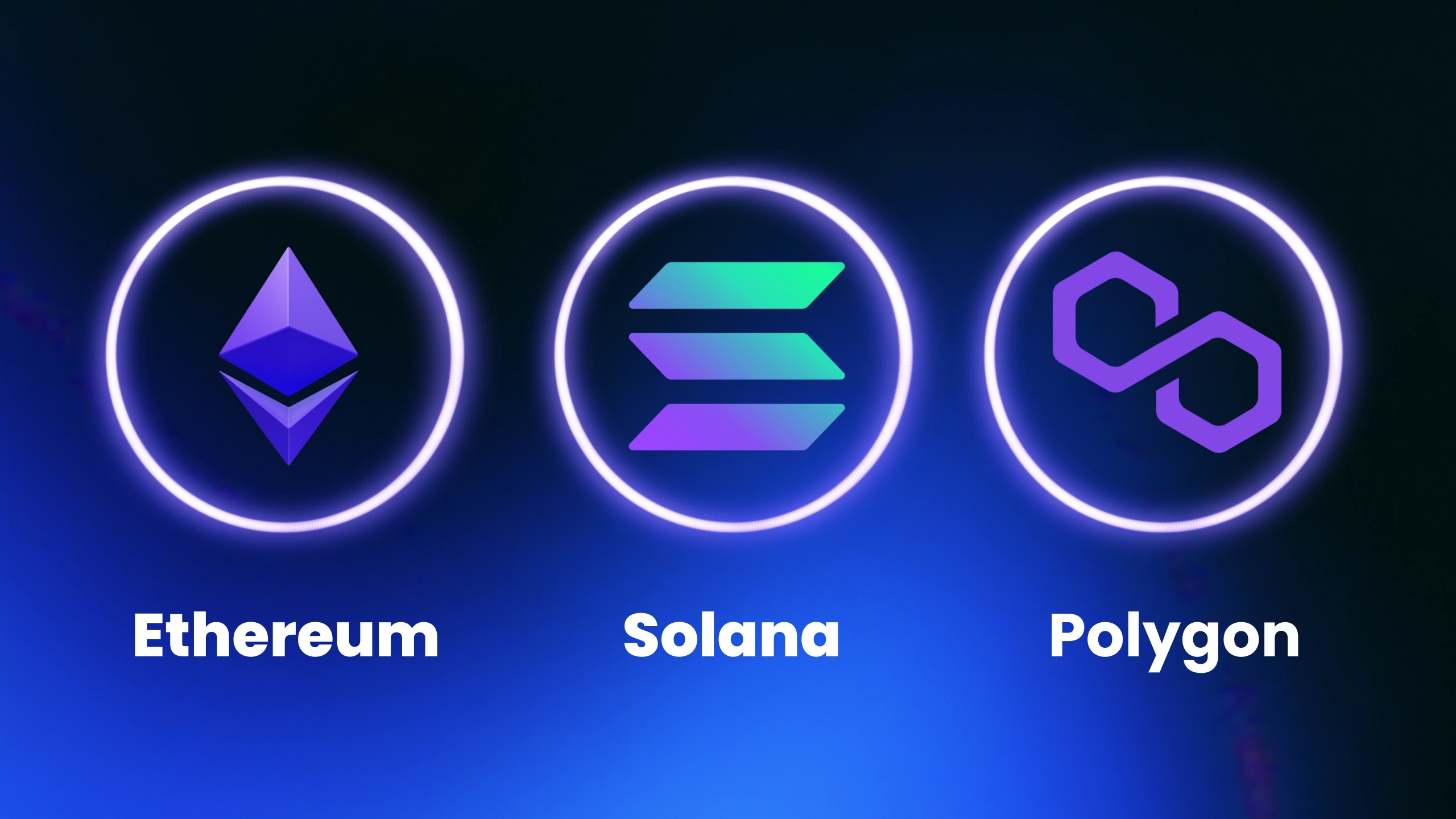
Ethereum vs Solana vs Polygon CDK – Technology Comparison for Crypto Token Development
Choosing the right blockchain is one of the most critical decisions in Crypto Token Development. Each ecosystem offers different strengths in terms of scalability, cost, decentralization, and developer maturity. Your business goals, user base, and long-term growth strategy should always guide the choice.
Ethereum
Ethereum remains the most established and trusted blockchain for Crypto Token Development. It has the largest developer community, the strongest security model, and the widest adoption across DeFi, NFTs, and enterprise blockchain solutions.
Key advantages:
- Industry-standard token formats like ERC-20, ERC-721, and ERC-1155
- Massive ecosystem of wallets, exchanges, and protocols
- Proven security and decentralization
- Strong enterprise and institutional acceptance
Challenges:
- Higher gas fees
- Scalability limitations on Layer-1
Ethereum is ideal for projects that prioritize:
- Security
- Network trust
- Ecosystem maturity
- High-value financial applications
Solana
Solana is built for performance. It is known for extremely fast transaction speeds and ultra-low fees, making it attractive for consumer-scale Web3 applications.
Key advantages:
- High throughput (thousands of transactions per second)
- Very low transaction costs
- Native SPL token standard
- Ideal for real-time applications
Challenges:
- Smaller ecosystem compared to Ethereum
- Higher technical complexity
- Network stability concerns in earlier stages
Solana is best suited for:
- Gaming platforms
- NFT marketplaces
- High-frequency transaction systems
- Social and creator economies
Polygon CDK
Polygon CDK (Chain Development Kit) enables businesses to build their own application-specific blockchain that is fully compatible with Ethereum.
Key advantages:
- Customizable blockchain environments
- Ethereum compatibility
- High scalability and low fees
- Enterprise-grade control and flexibility
Challenges:
- Higher setup complexity
- Requires advanced blockchain architecture planning
Polygon CDK is ideal for:
- Enterprises building dedicated blockchain ecosystems
- Large-scale Web3 platforms
- Compliance-driven token networks
Use Cases of Crypto Token Development by Industry
Crypto Token Development enables innovation across multiple industries by creating programmable digital economies and decentralized ownership models.
DeFi & Financial Platforms
Token's power:
- Lending and borrowing protocols
- Stablecoins
- Yield farming platforms
- Tokenized securities
Crypto tokens become financial instruments that automate trust and transactions.
Gaming, NFTs & Metaverse
Tokens enable:
- In-game currencies
- NFT ownership
- Player rewards
- Virtual asset trading
They create digital economies where users truly own their assets.
Asset Tokenization & Real Estate
Tokens represent:
- Fractional ownership
- Rental income rights
- Investment shares
This increases liquidity and global accessibility of physical assets.
DAO & Governance Models
Governance tokens allow:
- Decentralized decision-making
- Transparent voting
- Community-led platform growth
DAOs become digitally governed organizations.
Web3 Startups & Platforms
Startups use tokens for:
- Platform monetization
- Community incentives
- Growth acceleration
Crypto tokens act as both economic and engagement tools.
Crypto Token Development Process
A structured development process ensures security, scalability, and long-term success of your token ecosystem.
Requirement Analysis & Tokenomics Design
This stage defines:
- Token purpose
- Supply model
- Distribution logic
- Incentive mechanisms
Strong tokenomics is the backbone of sustainable Crypto Token Development.
Blockchain Selection (Ethereum, Solana, Polygon CDK)
Based on:
- Transaction volume
- Cost sensitivity
- Customization needs
- Regulatory requirements
The right blockchain ensures optimal performance and scalability.
Smart Contract Development & Token Creation
This includes:
- Writing secure token contracts
- Implementing standards (ERC-20, SPL, custom chains)
- Handling minting and burning logic
Security is the primary focus at this stage.
Security Testing & Auditing
Comprehensive audits:
- Detect vulnerabilities
- Prevent financial losses
- Build investor confidence
Auditing is mandatory for enterprise-grade Crypto Token Development.
Deployment & Post-Launch Support
After deployment:
- Tokens are integrated with wallets and exchanges
- Performance is monitored
- Upgrades and optimizations are handled
Long-term support ensures platform stability.
Investment Insight for Crypto Token Development
Understanding the cost structure helps businesses plan their investment and evaluate ROI.
Factors Affecting Crypto Token Development Cost
Cost depends on:
- Blockchain platform choice
- Token complexity
- Smart contract auditing
- DApp integration
- Compliance requirements
More customization and security increase project scope and cost.
Ethereum vs Solana vs Polygon CDK Cost Comparison
| Platform | Development Cost | Transaction Fees | Customization |
| Ethereum | Medium–High | High (L1) | Moderate |
| Solana | Medium | Very Low | Moderate |
| Polygon CDK | High | Low | Very High |
ROI & Business Sustainability
Crypto Token Development delivers ROI through:
- Token sales and platform monetization
- Reduced operational costs
- Community-driven growth
- Asset liquidity and market expansion
Why Choose Web 3.0 India for Crypto Token Development
Choosing the right development partner is as important as choosing the right blockchain.
We offer:
- Tokenomics design
- Smart contract development
- Multi-chain token deployment
- Security auditing
- Post-launch support
Everything under one roof ensures faster execution and lower risks.
Web 3.0 India combines:
- Highly skilled blockchain engineers
- Optimized development costs
- Agile delivery models
This allows startups and enterprises to build world-class tokens without overextending budgets.
Launch Your Crypto Token with Experts
Crypto token development is not just about writing smart contracts. It is about building a sustainable digital economy that aligns technology, business goals, and user trust.
Whether you are planning:
- A DeFi platform
- A gaming token economy
- An NFT marketplace
- A DAO governance model
- Or an enterprise-grade blockchain ecosystem
Web 3.0 India can help you design, build, and scale your crypto token project with confidence.