

Introduction
In recent years, blockchain technology has emerged as a groundbreaking innovation with the potential to revolutionize various industries. At its core, blockchain is a decentralized ledger system that enables secure and transparent transactions without the need for intermediaries. As this technology continues to gain traction, the demand for skilled, professional blockchain developers who can develop and maintain blockchain-based solutions is on the rise.
Brief Overview of Blockchain Technology
Blockchain technology, often referred to as the backbone of cryptocurrencies like Bitcoin and Ethereum, is essentially a distributed database that maintains a continuously growing list of records, called blocks. Each block contains a cryptographic hash of the previous block, a timestamp, and transaction data. These blocks are linked together in a chronological chain, hence the name "blockchain." One of the key features of blockchain is decentralization, which means that the data stored on the blockchain is not controlled by any single entity. Instead, it is distributed across a network of computers (nodes), making it highly resistant to tampering and censorship. This decentralized nature ensures transparency and immutability, making blockchain an ideal solution for applications requiring trust and security.
Explanation of the Role and Importance of Blockchain Developers
Blockchain developers play a crucial role in building and maintaining blockchain-based applications and platforms. They are responsible for designing, implementing, and testing the underlying protocols and smart contracts that power these systems. Additionally, blockchain developers often collaborate with other professionals, such as cryptographers, economists, and legal experts, to ensure that the solutions they develop meet the needs of various stakeholders. The importance of blockchain developers cannot be overstated, as they are instrumental in driving innovation and adoption in the blockchain ecosystem. From creating decentralized finance (DeFi) applications to revolutionizing supply chain management, blockchain developers are at the forefront of transforming industries and shaping the future of technology.
Understanding Blockchain Technology
Blockchain technology is a revolutionary concept that has garnered significant attention due to its potential to transform various industries. To become a successful blockchain developer, it's essential to have a deep understanding of how blockchain works and its key features.
Definition of Blockchain and Its Key Features
At its core, blockchain is a decentralized and distributed ledger system that records transactions across a network of computers (nodes). Each transaction is grouped into a block, which is cryptographically linked to the previous block, forming a chain of blocks, hence the name "blockchain." This chain is immutable, meaning that once a transaction is recorded, it cannot be altered or deleted.
Key features of blockchain technology include:
- Decentralization: Unlike traditional centralized systems, where data is stored and controlled by a single entity, blockchain operates on a decentralized network of nodes. This ensures that no single entity has control over the entire system, making it more resilient to censorship and tampering.
- Transparency: Blockchain provides transparency by allowing all participants in the network to view transaction data in real-time. This transparency fosters trust among users and eliminates the need for intermediaries.
- Immutability: Once a transaction is recorded on the blockchain, it cannot be modified or deleted. This immutability ensures the integrity and security of the data stored on the blockchain.
Explanation of Decentralized Networks and Distributed Ledgers
In a decentralized network, data is stored and maintained by multiple blockchain nodes, rather than being controlled by a single central authority. This decentralization ensures that no single point of failure exists, making the network more resilient and secure. A distributed ledger is a type of database that is spread across multiple nodes or locations. Each node in the network maintains a copy of the ledger, and all changes to the ledger are synchronized and replicated across the network in real time. This distributed nature eliminates the need for a central authority to validate and authenticate transactions, reducing the risk of fraud and manipulation.
Overview of Different Types of Blockchains (Public Vs. Private)
Let's understand the private vs public blockchain: Public Blockchains: Public blockchains, such as Bitcoin and Ethereum, are open networks that anyone can join and participate in. Transactions on public blockchains are transparent and verifiable by anyone, making them suitable for applications where transparency and decentralization are paramount. Private Blockchains: Private blockchains are permissioned networks where access and participation are restricted to authorized users. Private blockchains are often used by enterprises and organizations to build proprietary blockchain solutions for specific use cases, such as supply chain management and identity verification.
Skills Required to Become a Blockchain Developer
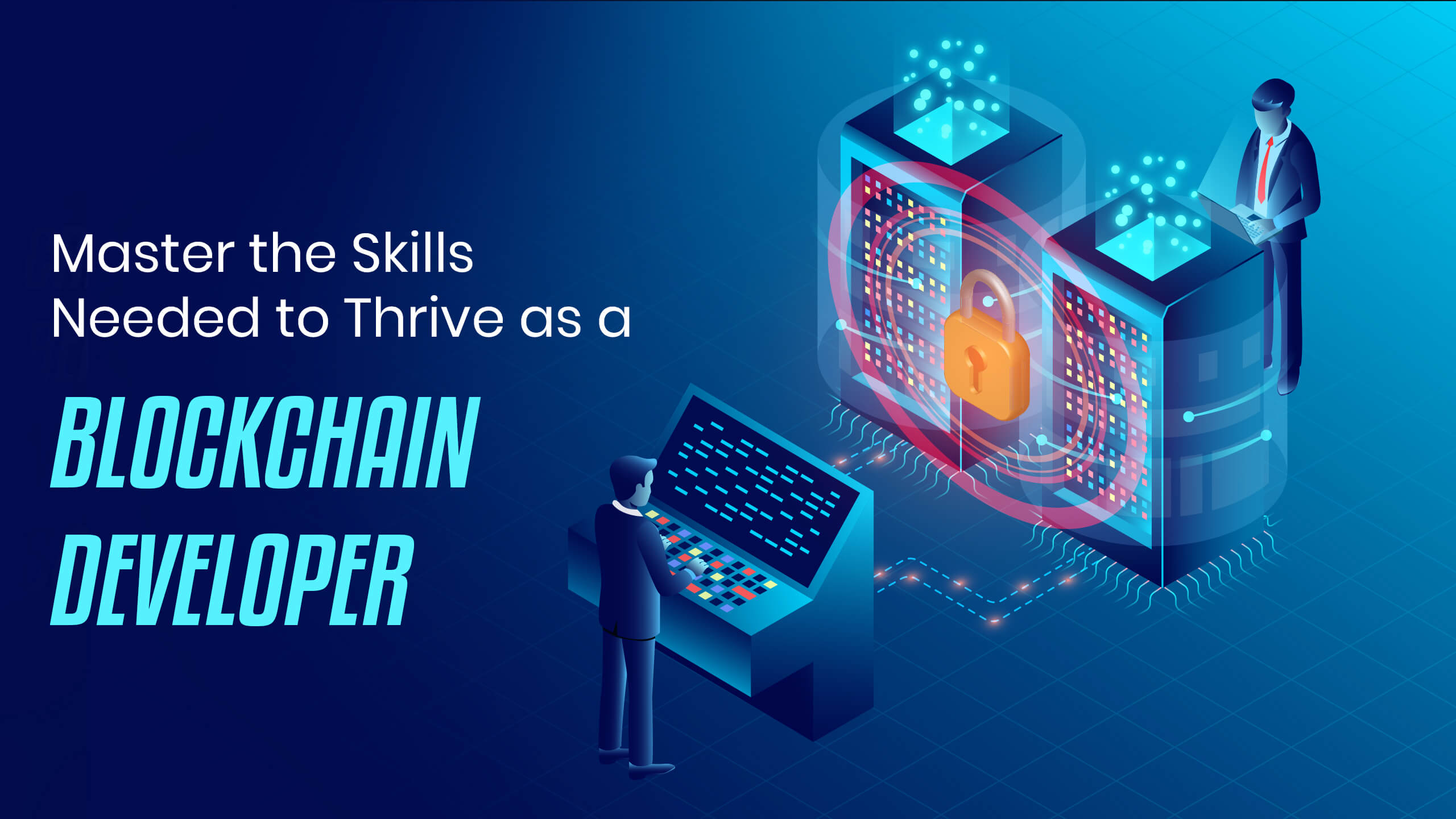 Becoming a proficient blockchain developer requires a combination of technical expertise and non-technical skills. In this section, we'll explore the essential skills that aspiring blockchain developers need to master.
Technical Skills
1. Proficiency in Programming Languages
Blockchain developers should be proficient in programming languages commonly used in blockchain development, such as Solidity, Java, and Python. Solidity, in particular, is a programming language used for writing smart contracts on the Ethereum blockchain.
2. Understanding of Data Structures and Algorithms
A solid understanding of data structures and algorithms is essential for designing efficient and scalable blockchain solutions. Blockchain developers should be familiar with concepts such as linked lists, hash tables, and sorting algorithms.
3. Familiarity with Cryptography and Encryption Techniques
Cryptography plays a crucial role in ensuring the security and integrity of blockchain transactions. Blockchain developers should have a strong understanding of cryptographic principles, including hashing, digital signatures, and public-key cryptography.
Non-Technical Skills
1. Problem-Solving Abilities
Blockchain developers often encounter complex technical challenges that require innovative solutions. Strong problem-solving abilities are essential for identifying and addressing issues in blockchain-based systems.
2. Attention to Detail
Blockchain development requires meticulous attention to detail to ensure that smart contracts and blockchain protocols are error-free and secure. Even small mistakes in code can have significant consequences in blockchain applications.
3. Continuous Learning Mindset
The blockchain industry is rapidly evolving, with new technologies and developments emerging regularly. As such, blockchain developers must have a continuous learning mindset, staying updated with the latest trends and advancements in the field.
Educational Pathways and Resources
Embarking on a career as a blockchain developer requires a solid educational foundation and access to relevant resources. In this section, we'll explore the various educational pathways and resources available to aspiring blockchain developers.
Formal Education
1. Degree Programs in Computer Science or Related Fields
Many universities offer degree programs in computer science or related fields that provide a solid foundation in programming, algorithms, and data structures. A degree in computer science can provide you with the necessary skills and knowledge to pursue a career in blockchain development.
2. Specialized Blockchain Courses and Certifications
Several educational institutions and online platforms offer specialized courses and certifications in blockchain technology. These courses cover topics such as blockchain fundamentals, smart contract development, and decentralized application (DApp) development. Obtaining certifications in blockchain technology can demonstrate your expertise to potential employers and clients.
Self-Learning Resources
1. Online Tutorials and Courses
There are numerous online tutorials and courses available on platforms like Coursera, Udemy, and LinkedIn Learning that cover various aspects of blockchain development. These courses cater to individuals with different skill levels, from beginners to experienced developers, and offer hands-on projects and assignments to reinforce learning.
2. Open-Source Projects and GitHub Repositories
Engaging with open-source projects and contributing to GitHub repositories is an excellent way to gain practical experience in blockchain development. By collaborating with other developers and working on real-world projects, you can hone your coding skills and build a portfolio of projects to showcase to potential employers.
3. Blockchain Developer Communities and Forums
Joining blockchain developer communities and forums, such as Stack Overflow, Reddit, and Discord channels, can provide you with valuable insights, resources, and networking opportunities. These communities often host discussions, Q&A sessions, and hackathons where you can collaborate with other developers and learn from their experiences.
Building a Strong Foundation
Building a strong foundation is essential for aspiring blockchain developers to succeed in this rapidly evolving field. In this section, we'll explore practical steps you can take to develop your skills and experience in blockchain development.
Hands-On Experience
1. Developing Smart Contracts and Decentralized Applications (Dapps)
Smart contracts are self-executing contracts with the terms of the agreement directly written into code. Developing smart contracts on blockchain platforms like Ethereum allows you to gain practical experience in writing code that automates transactions and enforces contractual agreements. Additionally, building decentralized applications (DApps) that interact with smart contracts can provide you with insights into the full lifecycle of blockchain-based applications.
2. Participating in Blockchain Hackathons and Coding Competitions
Hackathons and coding competitions are excellent opportunities to apply your skills and creativity to real-world challenges in blockchain development. These events often focus on specific themes or use cases and provide a platform for collaboration, innovation, and networking with fellow developers and industry experts.
Networking Opportunities
1. Attending Blockchain Conferences and Meetups
Blockchain conferences and meetups are invaluable opportunities to connect with industry professionals, thought leaders, and fellow enthusiasts. These events feature keynote presentations, panel discussions, and networking sessions where you can learn about the latest trends and developments in blockchain technology and forge valuable connections within the community.
2. Joining Online Communities and Forums
Online communities and forums dedicated to blockchain development, such as Stack Overflow, Reddit, and specialized Discord channels, provide platforms for asking questions, sharing knowledge, and collaborating on projects. Engaging with these communities allows you to tap into a wealth of expertise and resources and stay updated with the latest news and discussions in the blockchain space.
Advancing Your Career
Advancing your career as a blockchain developer involves continuous learning, specialization, and strategic career planning. In this section, we'll explore various avenues for growth and development in the field of blockchain technology.

Specialization Areas
1. Smart Contract Development
Smart contracts play a critical role in blockchain-based applications by automating the execution of predefined agreements. Specializing in smart contract development involves mastering programming languages like Solidity and understanding the nuances of designing, deploying, and auditing smart contracts for security and efficiency.
2. Blockchain Architecture Design
Blockchain architecture design focuses on designing scalable, secure, and interoperable blockchain solutions tailored to specific use cases and business requirements. This specialization involves knowledge of blockchain protocols, consensus mechanisms, and network architecture, as well as the ability to design robust and resilient decentralized systems.
3. Security Auditing and Testing
Security auditing and testing are essential aspects of blockchain development to identify and mitigate vulnerabilities and security risks in blockchain-based applications. Specializing in security auditing involves conducting thorough code reviews, penetration testing, and security assessments to ensure the integrity and resilience of blockchain systems.
Career Paths
1. Opportunities in Various Industries
Blockchain technology has applications across various industries, including finance, healthcare, supply chain management, and identity verification. As a blockchain developer, you can explore career opportunities in these industries, developing innovative solutions to address specific challenges and drive digital transformation.
2. Freelancing Vs. Working for Blockchain Companies
As a blockchain developer, you have the flexibility to work as a freelancer or join established blockchain companies and startups. Freelancing allows you to work on diverse projects, set your own schedule, and explore different industries, while working for blockchain companies offers stability, mentorship, and opportunities for career advancement.
3. Continuous Professional Development and Staying Updated with Industry Trends
The blockchain industry is constantly evolving, with new technologies, platforms, and standards emerging regularly. To stay competitive and relevant, it's essential to engage in continuous professional development by attending workshops, pursuing certifications, and participating in industry events and conferences.
Challenges and Opportunities in the Field
The field of blockchain technology presents both challenges and opportunities for developers as the industry continues to evolve and mature. In this section, we'll explore some of the key challenges and opportunities that blockchain developers may encounter in their careers.
Regulatory and Legal Considerations
Regulatory Uncertainty: The regulatory landscape surrounding blockchain technology is constantly evolving, with governments around the world grappling with how to regulate cryptocurrencies, ICOs, and blockchain-based applications. Navigating regulatory requirements and compliance issues can pose challenges for blockchain developers and businesses operating in the space. Data Privacy and Security: Ensuring data privacy and security is paramount in blockchain development, particularly in applications handling sensitive information such as personal and financial data. Compliance with data protection regulations such as GDPR presents challenges for blockchain developers, who must balance the transparency and immutability of blockchain with the need to protect user privacy.
Scalability and Interoperability Issues
Scalability: Scalability remains a significant challenge for blockchain technology, particularly in public blockchain networks like Bitcoin and Ethereum. As transaction volumes increase, scalability issues such as network congestion and high fees can arise, hindering the mainstream adoption of blockchain-based applications. Interoperability: Achieving interoperability between different blockchain platforms and networks is essential for realizing the full potential of blockchain technology. However, interoperability standards and protocols are still in the early stages of development, posing challenges for developers seeking to integrate disparate blockchain systems and applications.
Potential for Innovation and Disruption Across Industries
Emerging Use Cases: Despite the challenges, blockchain technology continues to fuel innovation and disruption across various industries. From decentralized finance (DeFi) and non-fungible tokens (NFTs) to supply chain management and digital identity, blockchain has the potential to revolutionize existing business models and create new opportunities for value creation. Adoption by Enterprises: Enterprises are increasingly exploring blockchain technology to streamline operations, enhance transparency, and reduce costs. As blockchain adoption grows, developers skilled in blockchain development will be in high demand to design, implement, and maintain blockchain solutions tailored to the needs of enterprises and businesses. 
Conclusion
In conclusion, becoming a blockchain developer offers a rewarding and exciting career path in a rapidly evolving industry. Throughout this guide, we've explored the fundamental concepts of blockchain technology, the essential skills required for blockchain development, and various educational pathways and resources available to aspiring developers. As you embark on your journey to become a blockchain developer, remember to:
- Build a Strong Foundation: Develop your technical skills through hands-on experience and continuous learning. Master programming languages, understand data structures and algorithms, and familiarize yourself with cryptography and encryption techniques.
- Explore Specialization Areas: Consider specializing in areas such as smart contract development, blockchain architecture design, or security auditing to differentiate yourself and unlock new opportunities for growth and advancement.
- Stay Informed and Engaged: Keep abreast of the latest trends, developments, and challenges in the blockchain industry by participating in online communities, attending conferences, and collaborating with fellow developers and industry professionals.
- Embrace Innovation and Adaptability: Embrace innovation and be open to exploring new technologies, platforms, and use cases in blockchain development. Stay adaptable and agile in response to evolving regulatory, technological, and market trends.
- Contribute to Positive Change: Harness the power of blockchain technology to drive positive change in society by developing innovative solutions that address real-world challenges and empower individuals and communities.
By following these principles and leveraging your skills and expertise, you can carve out a successful and fulfilling career as a blockchain developer. As the blockchain industry continues to grow and mature, the opportunities for innovation and impact are limitless, and you have the potential to make a meaningful contribution to the future of technology.
Frequently Asked Questions
1. What skills do I need to become a blockchain developer? Aspiring blockchain developers should have proficiency in programming languages like Solidity, a strong understanding of data structures and algorithms, familiarity with cryptography, and problem-solving abilities. 2. Are there any specific educational requirements to become a blockchain developer? While there are no strict educational requirements, a background in computer science or related fields can be beneficial. Many developers also pursue specialized courses and certifications in blockchain technology. 3. What career opportunities are available for blockchain developers? Blockchain developers can explore various career paths, including smart contract development, blockchain architecture design, security auditing, and consulting. Opportunities exist in industries such as finance, healthcare, supply chain management, and more. 4. How can I stay updated with the latest trends and developments in blockchain technology? Staying engaged with online communities, attending blockchain conferences and meetups, and regularly reading industry publications and blogs are effective ways to stay informed about the latest trends and developments in blockchain technology. 5. What are some common challenges faced by blockchain developers? Blockchain developers may encounter challenges such as regulatory uncertainty, scalability issues, and interoperability concerns. Navigating these challenges requires resilience, adaptability, and continuous learning.