

10 Best Metaverse Crypto Projects To Watch Out For in 2023
Everyone has very little or no knowledge about the Metaverse. What does it mean and how does it work? We might not...

Build connected manufacturing systems that bring together production, machines, people, data, quality, inventory and supply chain operations.
Web30 India helps manufacturers modernize operational systems, connect factory data, automate workflows and build intelligent applications for production, quality, maintenance, supply chain and industrial operations.
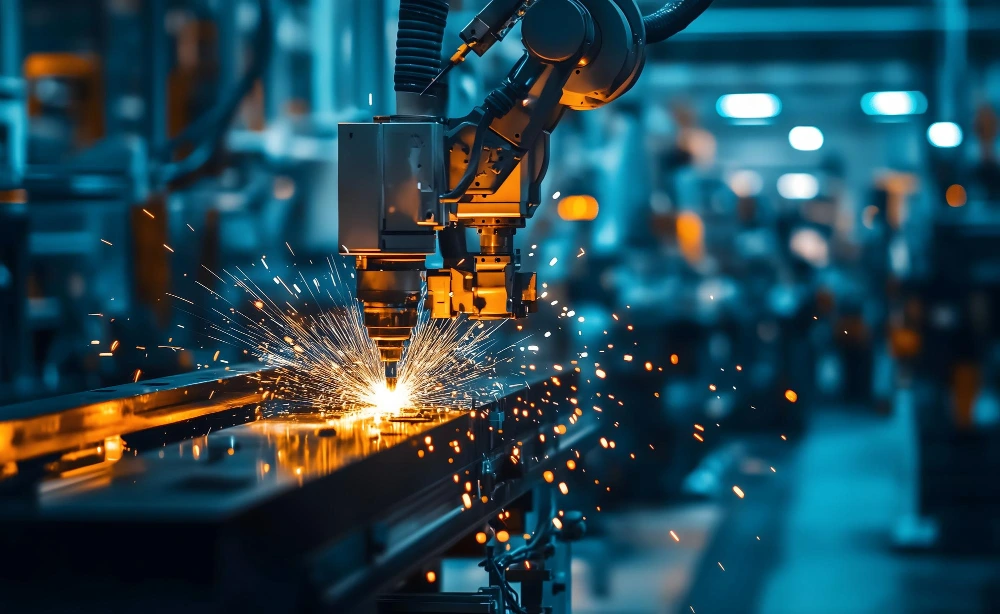

Manufacturing operations generate data across machines, production lines, quality systems, warehouses, suppliers and enterprise applications. When those systems operate independently, teams often have to work across multiple sources to understand what is happening on the factory floor.
A connected manufacturing environment brings operational and business information together. Production data can feed analytics, machine information can support maintenance workflows, quality data can identify process deviations, and inventory information can connect production planning with supply requirements.
We build the software and integration layer behind these environments, from manufacturing applications and operational dashboards to IIoT platforms, AI systems, digital twins and connected enterprise solutions.
Digital twins can provide a continuously updated digital representation of physical assets or processes by combining sensor, operational and enterprise data.
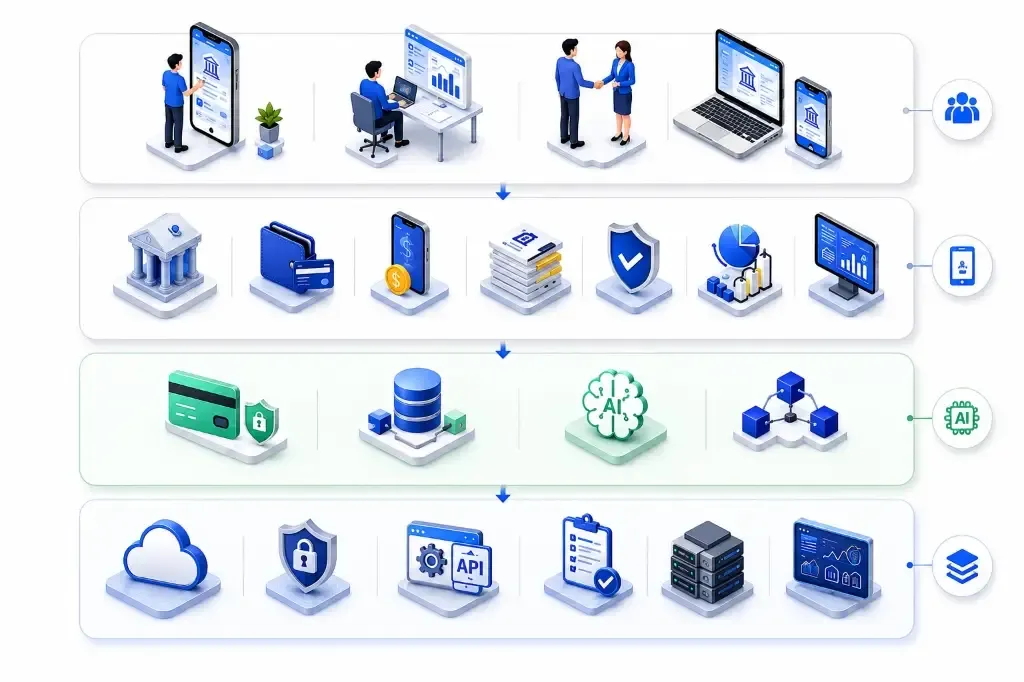
Machine, production, quality, inventory and enterprise systems may operate independently, making it difficult to create a consistent operational view.
Manufacturing teams need timely information about production status, machine conditions, output, downtime and operational exceptions.
Detecting defects and identifying process deviations early requires consistent data collection, analysis and traceability.
Unexpected machine failures can interrupt production schedules and create maintenance and operational challenges.
Manufacturers need to coordinate materials, suppliers, inventory, production schedules and changing demand.
Connecting enterprise software with factory-floor systems requires careful architecture, security, data handling and integration planning.
Build applications for production planning, work orders, shop-floor operations, production tracking and operational reporting.
Connect machines, sensors and industrial equipment to collect and manage real-time operational data.
Turn production, quality, equipment and operational data into dashboards, alerts, reports and decision-support systems.
Apply AI and machine learning to quality inspection, predictive maintenance, forecasting, anomaly detection and operational intelligence.
Build systems for inspection workflows, quality records, defect management, traceability and quality analytics.
Connect production equipment, operational applications, data platforms and automation into a more coordinated factory environment.
Connect ERP, MES, WMS, PLM, SCADA, IoT platforms, databases and other operational and enterprise systems.
Translate product requirements, demand and production objectives into plans, materials and manufacturing requirements.
Coordinate materials, inventory, equipment, workforce and other resources required for production.
Plan production orders, machine utilization, work sequences and available capacity.
Execute production activities while capturing machine, operator, process and production information.
Monitor production quality, inspections, defects, measurements and process deviations.
Monitor equipment conditions, maintenance activities, service schedules and operational performance.
Analyze production, quality, maintenance and operational data to identify improvement opportunities.

Connect production orders, shop-floor activities, machine data, operators, quality information and production reporting.
Build systems for production planning, capacity management, work sequencing, resource allocation and schedule optimization.
Connect machines and sensors with centralized data collection, monitoring, alerts and analytics.
Manage inspections, quality checks, defects, corrective actions, traceability and quality reporting.
Use equipment data and analytics to identify maintenance patterns, potential failures and asset performance issues.
Create digital representations of machines, production lines, assets or manufacturing processes using connected operational data.
Bring production, inventory, quality, equipment and supply chain information into a centralized operational view.





Connected manufacturing environments bring IT systems, operational technology, machines, applications and data into a broader technology environment. Security therefore needs to extend from user access and applications to integrations, infrastructure and operational monitoring.
Manage identities, roles and permissions for operators, engineers, managers, administrators and external users.
Apply appropriate security controls when connecting enterprise environments with operational technology.
Protect machine, production, quality, inventory and operational information.
Secure applications and integration points across the manufacturing technology ecosystem.
Manage authentication, communication and security considerations for connected devices and industrial sensors.
Maintain appropriate records, access history and operational audit trails to support internal controls and applicable requirements.
Control access based on manufacturing roles, responsibilities and operational requirements.
Apply appropriate security controls when connecting enterprise environments with operational technology.
Protect machine, production, quality, inventory and operational information.
Secure applications and integration points across the manufacturing technology ecosystem.
Manage authentication, communication and security considerations for connected devices and industrial sensors.
Maintain appropriate records, access history and operational audit trails to support internal controls and applicable requirements.
Connect manufacturing operations with enterprise resource planning, finance, procurement and business workflows.
Integrate manufacturing execution systems with production applications, work orders, scheduling and shop-floor information.
Connect supervisory systems and industrial data sources with modern applications and analytics platforms.
Connect product design, engineering information, product specifications and manufacturing processes.
Synchronize warehouse, inventory, material movement and production requirements.
Connect machines, sensors, gateways and edge environments to centralized data and operational applications.
Use this section for verified Web30 India projects related to manufacturing, industrial automation, supply chain, IoT, production management, quality systems or connected operations.
Connect production planning, work orders, machines, quality, inventory and production reporting across discrete manufacturing environments.
Support batch processes, production monitoring, quality controls, materials and process data across continuous or batch production.
Build systems for production tracking, quality inspection, supplier coordination, asset monitoring and component traceability.
Support production visibility, component tracking, quality inspection, testing, inventory and manufacturing analytics.
Build technology for batch management, quality workflows, traceability, documentation and regulated manufacturing environments.
Connect production, ingredients, quality, inventory, batch information, equipment and operational workflows.
Support asset-intensive operations through production monitoring, equipment data, maintenance, quality and supply chain visibility.
Analyze machine and equipment data to identify patterns that may indicate maintenance requirements or abnormal behavior.
Use computer vision for visual inspection, defect detection, classification and quality-control workflows.
Identify unusual production behavior by analyzing machine, process and operational data.
Use operational data and business rules to support production scheduling, capacity planning and resource allocation.
Model machines, production lines or processes using connected data to analyze performance and evaluate operational scenarios.
Build AI-powered interfaces that help engineering and operations teams search documentation, procedures, machine information and internal knowledge.
Analyze operational and equipment data to identify consumption patterns and support resource optimization.
Automate production reports, quality summaries, maintenance information, alerts and management dashboards.
Explore practical insights on smart manufacturing, Industry 4.0, industrial IoT, manufacturing software, AI in manufacturing, predictive maintenance, digital twins, factory automation and industrial data.
Everyone has very little or no knowledge about the Metaverse. What does it mean and how does it work? We might not...
Today, smart contracts are beneficial for companies. This in-depth guide goes into great detail about their unique...
Everyone must be aware of how important it is to have a website in order to make a mark in the IT business industry...
Welcome to the next gaming frontier, where virtual worlds collide with reality to create immersive experiences like...
DeFi is an innovative system that will fundamentally change global finance. In summary, DeFi is an open monetary sy...
Everyone has very little or no knowledge about the Metaverse. What does it mean and how does it work? We might not...
Today, smart contracts are beneficial for companies. This in-depth guide goes into great detail about their unique...
Everyone must be aware of how important it is to have a website in order to make a mark in the IT business industry...
Welcome to the next gaming frontier, where virtual worlds collide with reality to create immersive experiences like...
DeFi is an innovative system that will fundamentally change global finance. In summary, DeFi is an open monetary sy...
Everything you need to know about our enterprise blockchain engineering process, costs, security, and architectures.
Where connections are brewed, ideas percolate, and inspiration flows!
Let’s hear about your project. Drop us the details or send us a direct email
 24/7 Support