
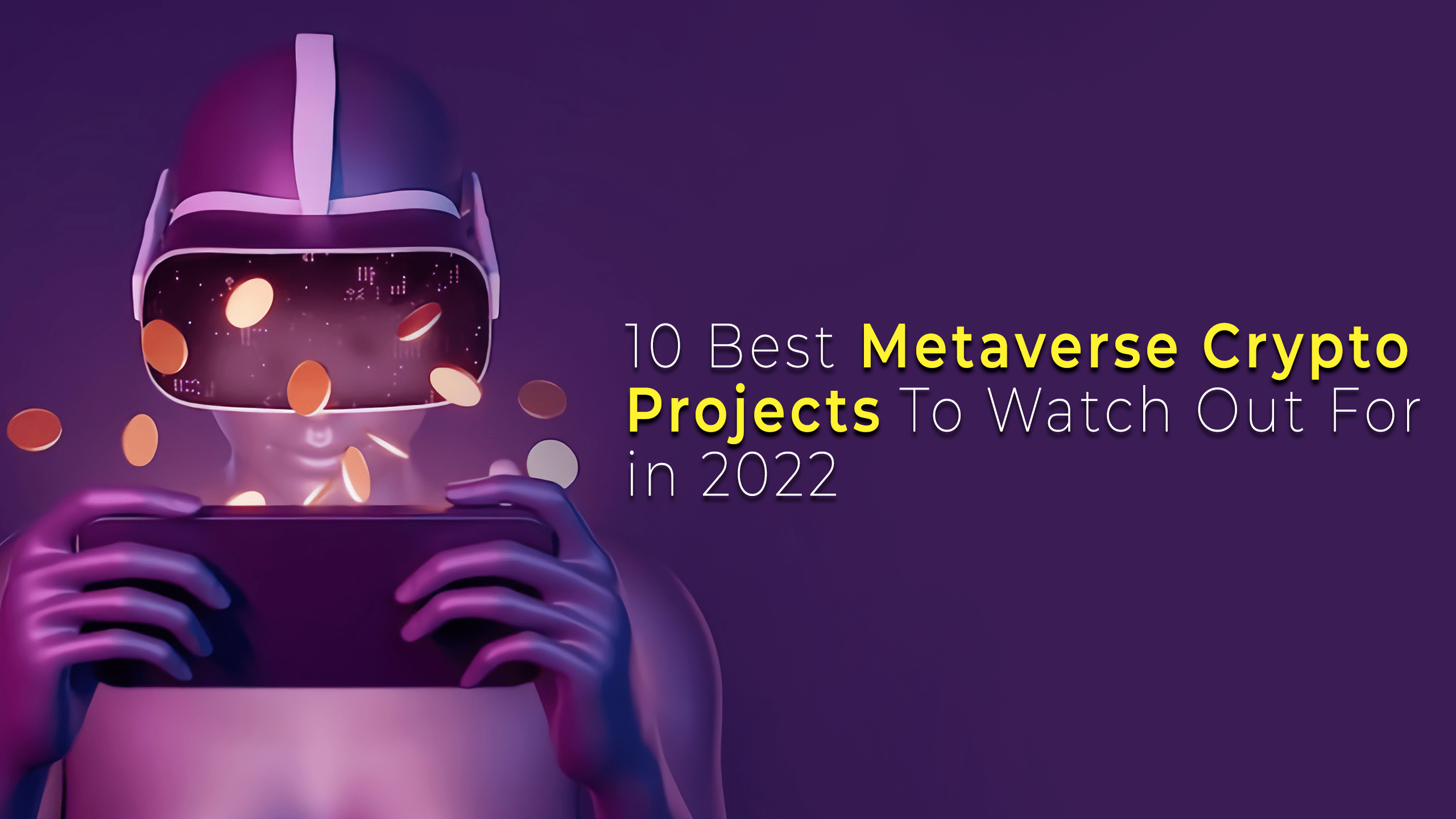
10 Best Metaverse Crypto Projects To Watch Out For in 2023
Everyone has very little or no knowledge about the Metaverse. What does it mean and how does it work? We might not...

A connected Human Resource Management System for managing employees, attendance, leave, payroll, recruitment, performance and everyday HR operations from one platform. HRMS brings employee information and workforce processes together so HR teams, managers and employees can work from the same system.



An HRMS should do more than store employee information. It should connect that information with the processes that happen throughout an employee's journey.
HRMS brings employee records, attendance, leave, payroll, performance, recruitment and employee self-service into a connected operating environment. When these processes share the right information, HR teams spend less time moving data between systems and more time managing the workforce.
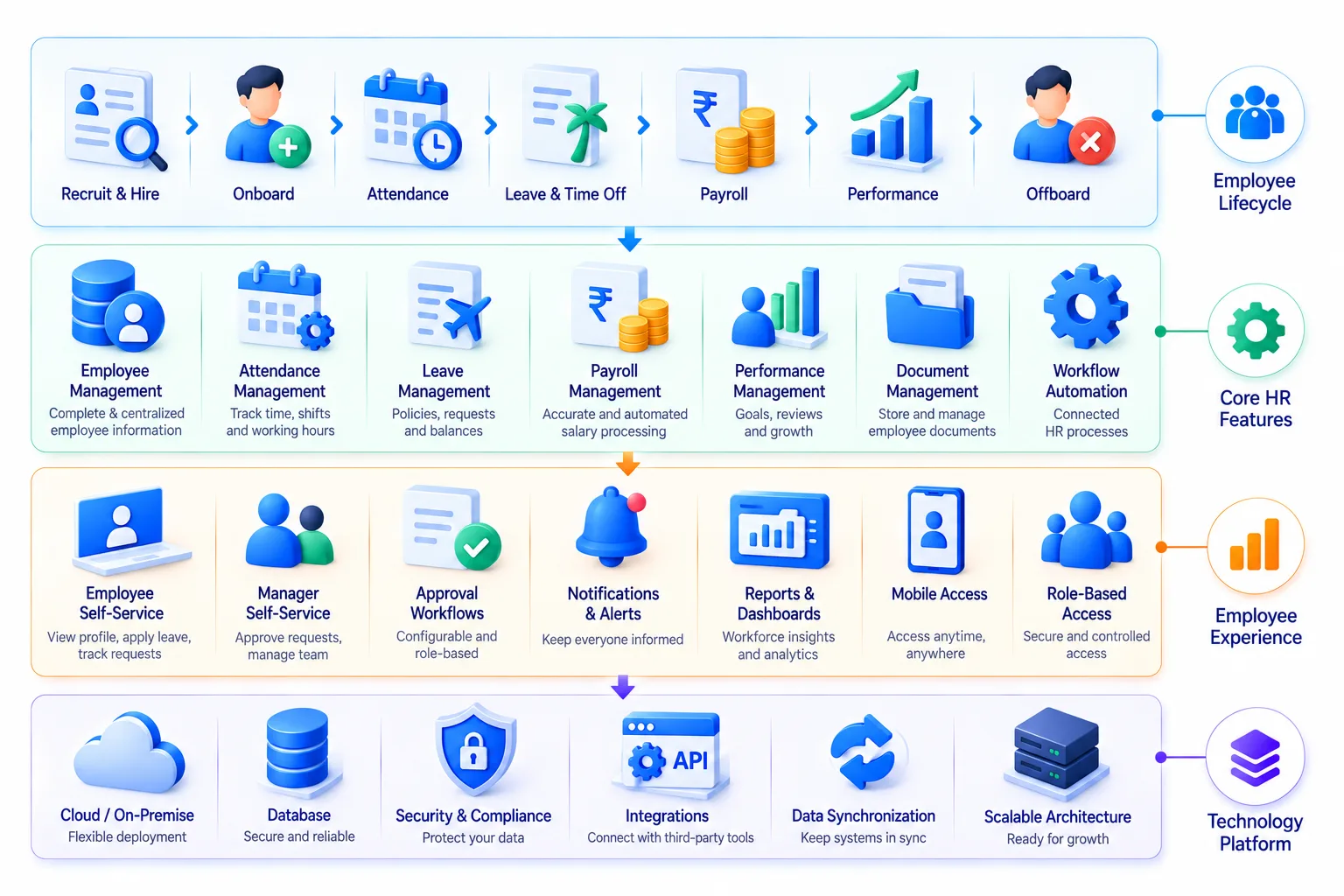
Manage employee profiles, organizational structures, departments, designations, documents and employee lifecycle information from a centralized HR system.
Manage attendance, working schedules, shifts, leave policies, leave requests, approvals and attendance-related workflows.
Manage salary structures, payroll processing, deductions, payslips, compensation information and payroll-related workflows.
Manage job requirements, candidate information, recruitment workflows, selection processes and employee onboarding.
Set goals, manage performance cycles, capture reviews and create structured processes for employee development.
Give employees and managers access to relevant HR information and everyday actions such as profile updates, leave requests, attendance information, documents and approvals.
Manage HR policies, workflows, user roles, organizational settings, reports, dashboards and operational visibility from a centralized administration layer.
HRMS connects the operational tasks that HR teams handle every day with the information employees and managers need to access themselves.
HRMS can be configured around different organizational structures, workforce sizes and operating environments.
Create a structured HR foundation as employee numbers and HR processes grow.
Manage employees, departments, policies and HR operations across multiple locations.
Bring multiple HR functions into one connected platform with role-based access and centralized administration.
Support attendance, shifts, leave and workforce processes for operational and factory environments.
Give distributed employees and managers access to relevant HR workflows without relying entirely on centralized HR teams.
Connect employee management, attendance, leave, payroll and performance across office-based teams.
Replace fragmented spreadsheets and disconnected HR processes with a centralized HR management platform.
Create positions, manage candidates and move selected applicants toward onboarding.
Create employee records, collect documents and establish the employee's organizational profile.
Maintain employee information, attendance, shifts, leave and everyday HR activities.
Connect employee information, attendance and compensation data with payroll processes.
Manage goals, performance reviews, feedback and employee development activities.
Provide employees and managers with self-service access, communication and HR workflows.
Manage employee separation, records, documents and relevant exit workflows.
HRMS gives employees and managers access to the HR information and processes relevant to them, reducing the need for routine requests to pass through HR teams.
HRMS can sit within your existing technology environment and exchange information with the systems that support workforce operations.
Connect biometric devices, attendance systems and other workforce time-capture solutions.
Connect payroll workflows with financial systems, banking processes and compensation operations where required.
Integrate authentication, organizational identity and existing enterprise systems.
Connect notifications, email, messaging and collaboration tools with HR workflows.
Connect HRMS data with reporting, analytics and business intelligence environments.
Centralize employee information, organizational structures and HR records.
Manage attendance, shifts, working schedules and leave across the workforce.
Connect employee and compensation information with structured payroll processes.
Manage candidate workflows and transition selected candidates into employee onboarding.
Run structured goal-setting, review and employee development processes.
Allow employees and managers to complete routine HR activities directly through the platform.
Create consistent HR workflows while supporting different locations, departments and organizational structures.







HRMS handles employee, organizational, attendance, compensation and other business information that requires controlled access and responsible data management.
Role-based access and authentication controls for employees, managers, HR teams and administrators.
Protect personal and organizational information throughout the application.
Apply appropriate access controls around compensation, payroll and financial information.
Protect application interfaces and integrations through authentication, authorization and secure API practices.
Control access to employee documents, HR records and other sensitive information.
Maintain visibility into relevant administrative activity, system events and important HR operations.
HRMS brings operational information together through dashboards, reports and administrative controls so HR teams and management can understand workforce activity and make informed decisions.
Understand your employee lifecycle, HR policies, organizational structure and existing systems.
Define the platform structure, modules, data relationships, roles and workflows.
Design and develop employee, manager, HR and administrator experiences across web and mobile.
Implement organizational policies and connect attendance, payroll, identity, communication and business systems.
Validate workflows, permissions, calculations, integrations and employee experiences across relevant scenarios.
Deploy the platform, monitor usage and continuously improve workflows and product capabilities.
HR teams often work across employee databases, attendance systems, spreadsheets, payroll applications, documents and communication tools. HRMS brings these processes into a connected environment so information can move with the employee lifecycle instead of being repeatedly entered and reconciled.
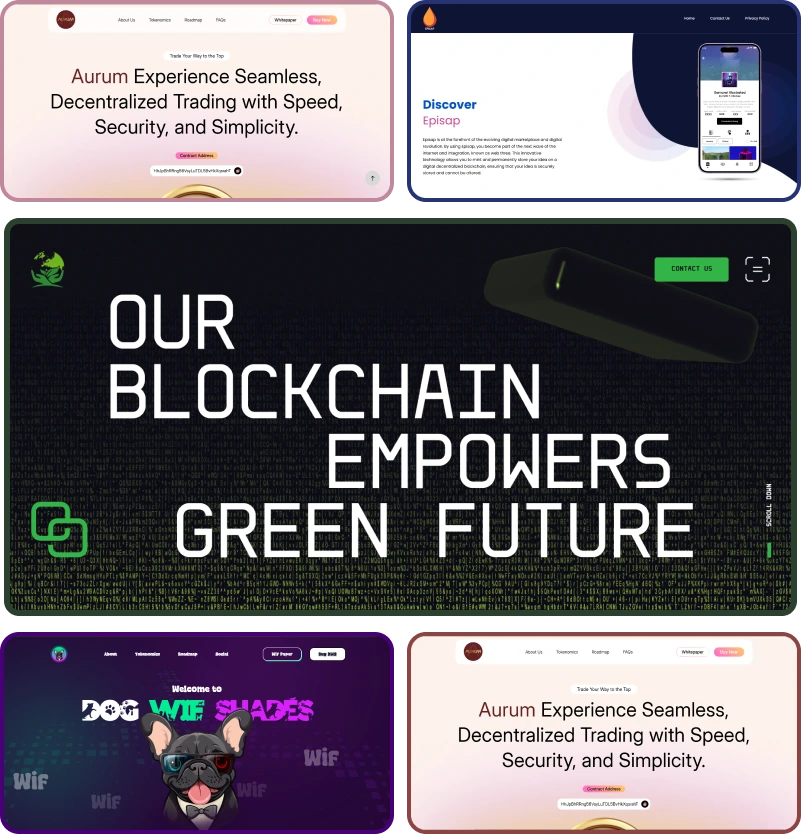
Explore selected projects where Web30 India has designed and developed business applications around workforce management, automation, employee operations and enterprise workflows. Use the existing global Case Studies component and show only verified HR-related projects, screenshots and results.
Insights on HRMS, employee experience, workforce automation, payroll technology, HR analytics and the systems shaping modern people operations.
Everyone has very little or no knowledge about the Metaverse. What does it mean and how does it work? We might not...
Today, smart contracts are beneficial for companies. This in-depth guide goes into great detail about their unique...
Everyone must be aware of how important it is to have a website in order to make a mark in the IT business industry...
Welcome to the next gaming frontier, where virtual worlds collide with reality to create immersive experiences like...
DeFi is an innovative system that will fundamentally change global finance. In summary, DeFi is an open monetary sy...
Everyone has very little or no knowledge about the Metaverse. What does it mean and how does it work? We might not...
Today, smart contracts are beneficial for companies. This in-depth guide goes into great detail about their unique...
Everyone must be aware of how important it is to have a website in order to make a mark in the IT business industry...
Welcome to the next gaming frontier, where virtual worlds collide with reality to create immersive experiences like...
DeFi is an innovative system that will fundamentally change global finance. In summary, DeFi is an open monetary sy...
Everything you need to know about our enterprise blockchain engineering process, costs, security, and architectures.
Where connections are brewed, ideas percolate, and inspiration flows!
Let’s hear about your project. Drop us the details or send us a direct email
 24/7 Support